2026-10-13 · 6 min read · Nevada County
Why I Tell Every Buyer and Seller in Nevada County to Get an Insurance Quote Early
The advice I give every client
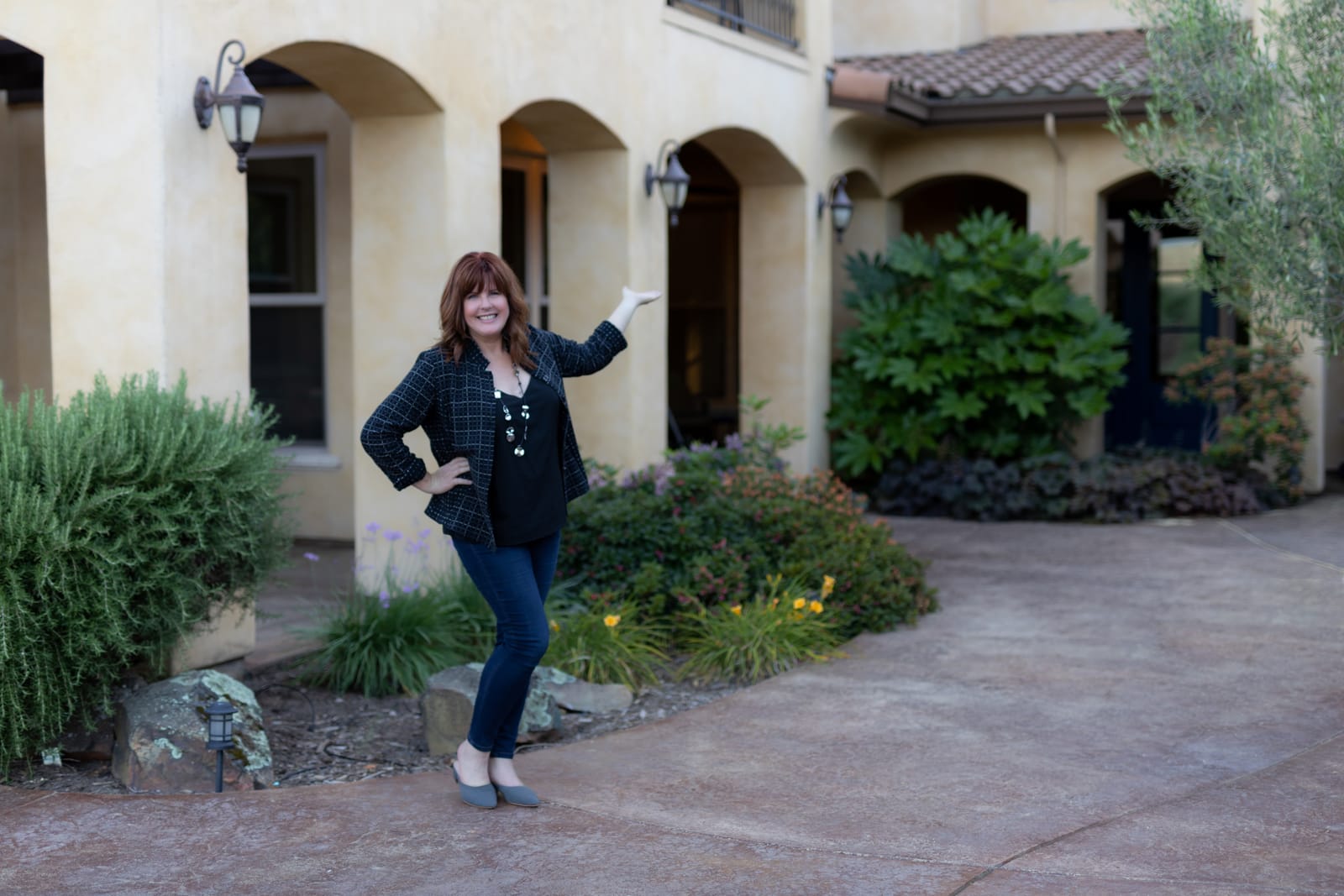
I'm Jayna DelTessandoro, a Realtor® with Century 21 Cornerstone Realty, and there's one piece of advice I give every buyer and every seller in Nevada County. Get your home insurance quote early.
Don't wait until the week before closing. Get it as soon as you're serious about a house, or before you put yours on the market.
In the foothills, home insurance is part of the price of a home. It can shape what a buyer can afford, how long a sale takes, and sometimes whether it closes at all. The time to learn what it will cost is while you can still make decisions, not after you've made them.
Why insurance comes up so early here
Grass Valley, Nevada City, Penn Valley, Lake Wildwood, Lake of the Pines, and Alta Sierra all sit among the pines and oaks that make this area beautiful. Insurance companies look closely at wildfire risk, so the cost of a policy can vary a lot from one home to the next.
A few things tend to matter most:
- The roof, including what it's made of and how old it is
- The land around the house, and how much brush and how many trees are close to it
- How the home is built, including vents, decks, and siding
- The road in and out, and how far it is to the nearest fire station
Two homes on the same street can get very different quotes. That's why I never guess at a number, and you shouldn't either. Ask an insurance agent to quote the actual address. If you don't have one, I'm happy to share the names of a couple of local insurance brokers I trust.
If you're buying
Call an insurance agent as soon as you're serious about a home, ideally before you write an offer and no later than the start of your inspection period. Your contract gives you a set number of days to inspect the home and decide how to move forward. You want your quote inside that window, so you can still act on what you learn.
Have these ready when you call:
- The address
- The year the home was built and its square footage
- The type and age of the roof, if the listing or the seller's disclosures say
- How the home is heated
Your lender will need proof of insurance before your loan can close, so this isn't optional. It's only a question of when. You can read more about the timeline in my buying process, or start with buying a home in the foothills.
If you're selling
Get a quote on your own home before you list it. Buyers will ask what it costs to insure, and their agents will too. If you already know, you can answer with confidence instead of waiting to find out from a nervous buyer halfway through escrow.
Then gather the records that help a buyer's insurance company see your home clearly:
- When the roof was replaced, and what it's made of
- Any work you've done to harden the home, like ember-resistant vents
- Any brush clearing or tree work around the house
- Any defensible space inspection report you have
This fits right into how I prepare a home. Before we list, I set up as many inspections as you're comfortable with, so there are no surprises later. You can read more about that on selling your home, or see selling a home in Grass Valley.
Defensible space: what the rules say
Defensible space is the area around a home that's kept clear of dry brush and other fuel, so a fire has less to burn on its way to the house.
In the parts of California where the state is responsible for fire protection, state law (Public Resources Code 4291) requires 100 feet of defensible space around structures, out to the property line. Nevada County's own Hazardous Vegetation Abatement Ordinance extends and supplements that law, including along emergency access and evacuation routes. Grass Valley and Nevada City have their own city rules.
The county also offers defensible space inspections, and you can request one through the County of Nevada website. A recent inspection is useful whether you're buying or selling.
Selling in a high fire hazard zone
Since July 1, 2021, a California law known as AB 38 has applied to many home sales in high or very high fire hazard severity zones. In general, the seller provides the buyer with documentation that the property complies with the defensible space rules. If that documentation isn't available before closing, the buyer and seller can agree in writing that the buyer will get it within one year after closing.
Whether and how it applies depends on where the property is, so confirm the details for your home early with your escrow officer and the local fire agency. It's one more reason to start the insurance and defensible space conversation before you list, not after you're in escrow.
Ask about wildfire discounts
Under the California Department of Insurance's Safer from Wildfires regulation, which took effect in October 2022, insurance companies that use wildfire risk in their pricing have to offer discounts for documented steps that reduce that risk. Examples include a Class A fire-rated roof, defensible space, and living in a recognized firewise community. The regulation also gives you the right to see your property's wildfire risk score and to appeal it.
Not every company or policy works the same way, so ask your insurance agent which discounts apply to your home and what proof they need.
The state is also finalizing a new rule for the first five feet around a home, sometimes called Zone 0. It has been in the works for a while and its timing has changed more than once, so check its current status rather than relying on any date you hear.
Let's put it on your timeline
When we work together, insurance is on the list from the very first conversation, not a surprise at the end. Whether you're buying in Nevada City or selling in Lake Wildwood, we'll make sure you know what to ask and when to ask it.
If you're thinking about a move, get in touch. Call or text me at (530) 320-0504. If you're getting a home ready to sell, my room-by-room home prep checklist is a good place to start, and you can read about buying a home in Nevada City too.
This article is general information, not insurance or legal advice. For your own situation, talk with a licensed insurance agent, your escrow officer, or an attorney.